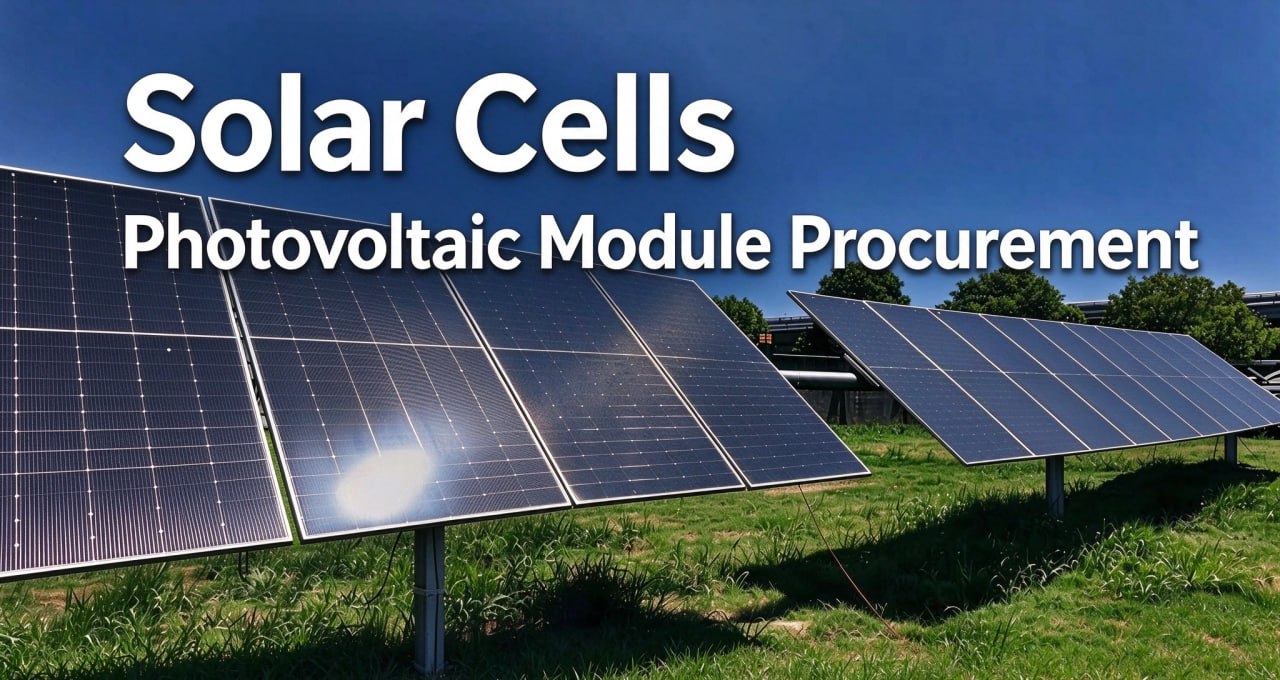
The cell at the centre
Understanding how light becomes electricity is the starting point. Cell architecture, materials and electrical behaviour shape the choices that follow.
Company profile
ENCHEN HOU INC was incorporated in Texas, United States, on March 15, 2025, and focuses on full-value-chain distributed energy services. ENCHEN is part of Trina Solar, a global photovoltaic leader.
With a vision to become a distributed energy solutions provider, ENCHEN is guided by three core principles: cost and carbon reduction, aggregation and interconnection, and digital intelligence. Focusing on the core needs of small and medium-sized commercial and industrial customers and distributed energy service providers, ENCHEN delivers end-to-end smart energy solutions in the context of market-based electricity spot trading.
01Our focus
At ENCHEN, our focus begins with the solar cell and extends to the system around it. We believe meaningful progress connects technology, thoughtful application and long-term responsibility.
Understanding how light becomes electricity is the starting point. Cell architecture, materials and electrical behaviour shape the choices that follow.
A cell is part of a larger whole. Interconnection, encapsulation and operating conditions all matter when moving from laboratory potential to useful energy.
Peak output is one part of the picture. Reliability, resource use and serviceability deserve equal consideration across the life of a solar installation.
02Technology
Photovoltaic innovation is not a single trajectory. These industry technology paths approach carrier collection and energy conversion in different ways, each with its own integration considerations.
An ultrathin oxide and doped polysilicon contact help limit carrier recombination. Contact design and metallisation remain important to balancing conversion performance and process compatibility.
Crystalline silicon is combined with thin amorphous silicon layers for surface passivation. Low-temperature processing introduces distinct requirements for materials, contacts and interconnection.
Moving electrical contacts to the rear can reduce front-side shading. Rear-side patterning, electrical isolation and module interconnection require coordinated design; BC can combine with different passivation approaches.

ENERGY INSIGHT
Clear energy data supports a shared view of generation, demand and operating conditions. It is a foundation for informed planning and coordinated energy services.
03Quality principles
A responsible manufacturing approach asks how performance is measured, variation is controlled and decisions are documented. These principles guide the quality conversations we value.
Define incoming material requirements and assess compatibility before drawing conclusions about finished-cell behaviour.
Look beyond a single result. Process consistency and the causes of variation are essential to meaningful evaluation.
Consider electrical measurements alongside inspection methods, environmental conditions and the intended application.
Link specifications, measurement conditions and batch records so that technical discussions remain traceable and clear.
04Applications
Every application has a different rhythm. Thinking from the place of use helps connect photovoltaic choices with the realities of energy demand and the surrounding environment.
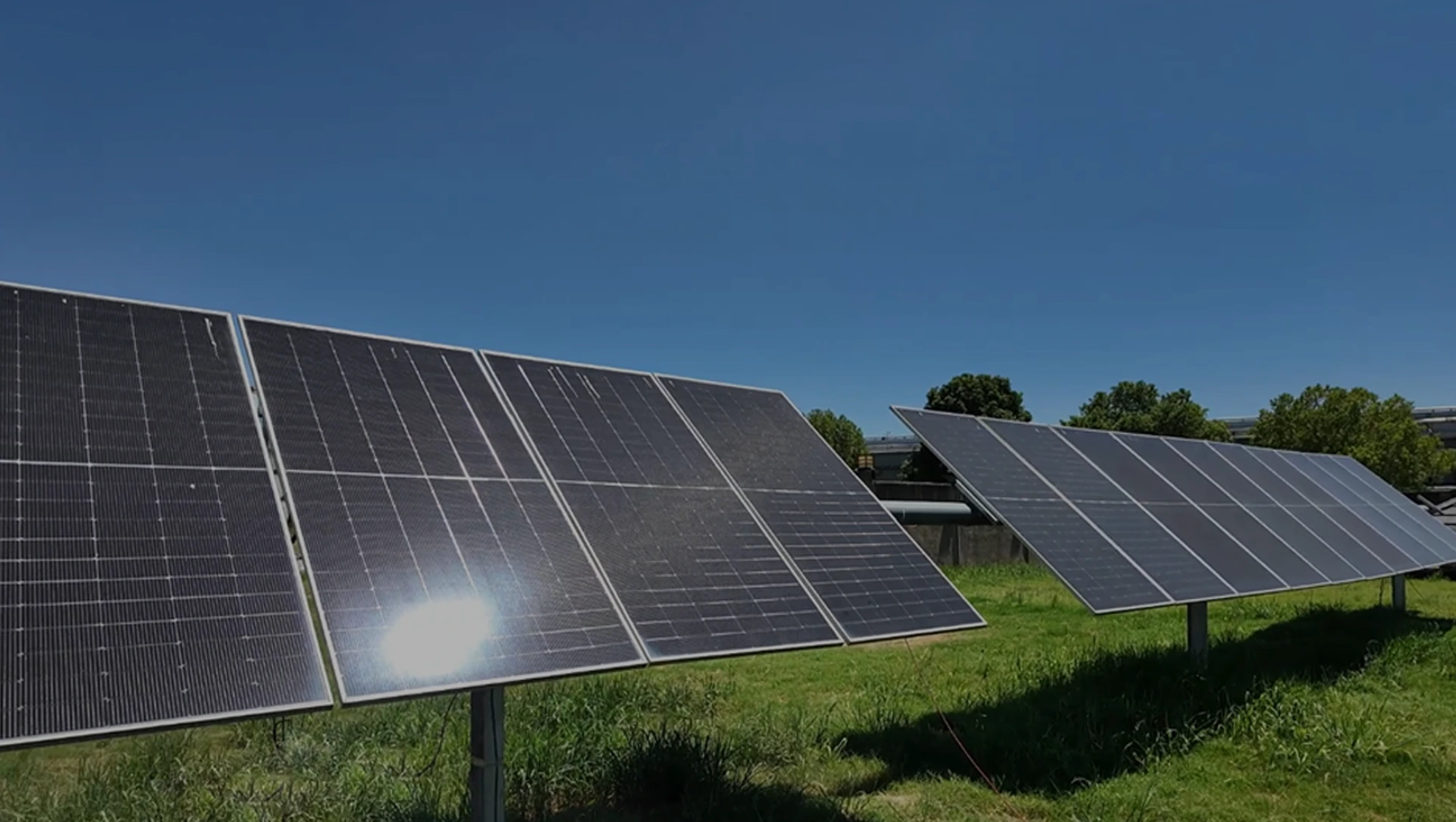

OPEN LAND / SYSTEM THINKING
For ground-mounted solar, module behaviour is only the beginning. Terrain, shading, rear-side irradiance, grid constraints and maintenance access all influence the energy a site can deliver over time.
Explore the considerations
BUSINESS ENERGY / DAILY DEMAND
For commercial energy planning, the relationship between generation and consumption matters. Load profiles, available space, structural conditions and electrical integration should shape the technical brief together.
Explore the considerations05Sustainability
Our ambition is to see solar progress alongside care for the resources and landscapes that make life possible. That means looking beyond energy generation to the choices made throughout a technology's life.
Consider material intensity, energy and water use together. Improvement begins with a clear understanding of boundaries and trade-offs.
Durability, repair access and end-of-life pathways belong in the conversation from the beginning, not only at the end.
Environmental goals become meaningful when supported by consistent methods, transparent evidence and a willingness to keep learning.
06Solar perspectives
Three questions that bring a longer-term perspective to photovoltaic decisions.
Cell efficiency describes conversion under defined measurement conditions. Module construction introduces additional optical and electrical effects, while field yield depends on temperature, irradiance, orientation, shading and system losses. Comparisons are most useful when their measurement boundaries and operating assumptions are explicit.
Begin with operating conditions and integration needs. Temperature response, mechanical constraints, interconnection, encapsulation and electrical compatibility can change the balance between options. A technology name alone does not establish suitability; the complete design and supporting evidence matter.
Consider energy yield across the intended operating life alongside degradation assumptions, maintenance, replacement access and the cost of downtime. Use consistent scenarios and examine uncertainty. A single peak-power figure cannot capture all of these factors.
07Collaboration
Progress in solar is a collaborative undertaking, connecting materials, cell design, module integration and the places where energy is needed.
Meaningful technical dialogue starts with the application, operating environment and evidence needed to evaluate a direction. For manufacturing and integration, process compatibility and validation methods deserve early attention.
We value careful questions, clear responsibilities and a shared view of long-term outcomes. Technical scope and commercial commitments should be established together through formal documentation.

BUSINESS PARTNERSHIP
Productive partnerships begin with clear objectives and open dialogue. Aligning needs, responsibilities and technical considerations creates a sound basis for the next step.